
Canossa Catholic Primary School Singapore: A Practical Parent Guide
A clear overview of location, school type, mother tongue options, and the checks parents should make before shortlisting.
Canossa Catholic Primary School in Singapore is a Catholic, government-aided, co-educational primary school listed at 1 Sallim Road, with Chinese, Malay, and Tamil mother tongue offerings. Based on the information provided, no SAP, autonomous, or gifted status is indicated, so parents should evaluate it mainly on commute, school culture, language fit, and daily routine.
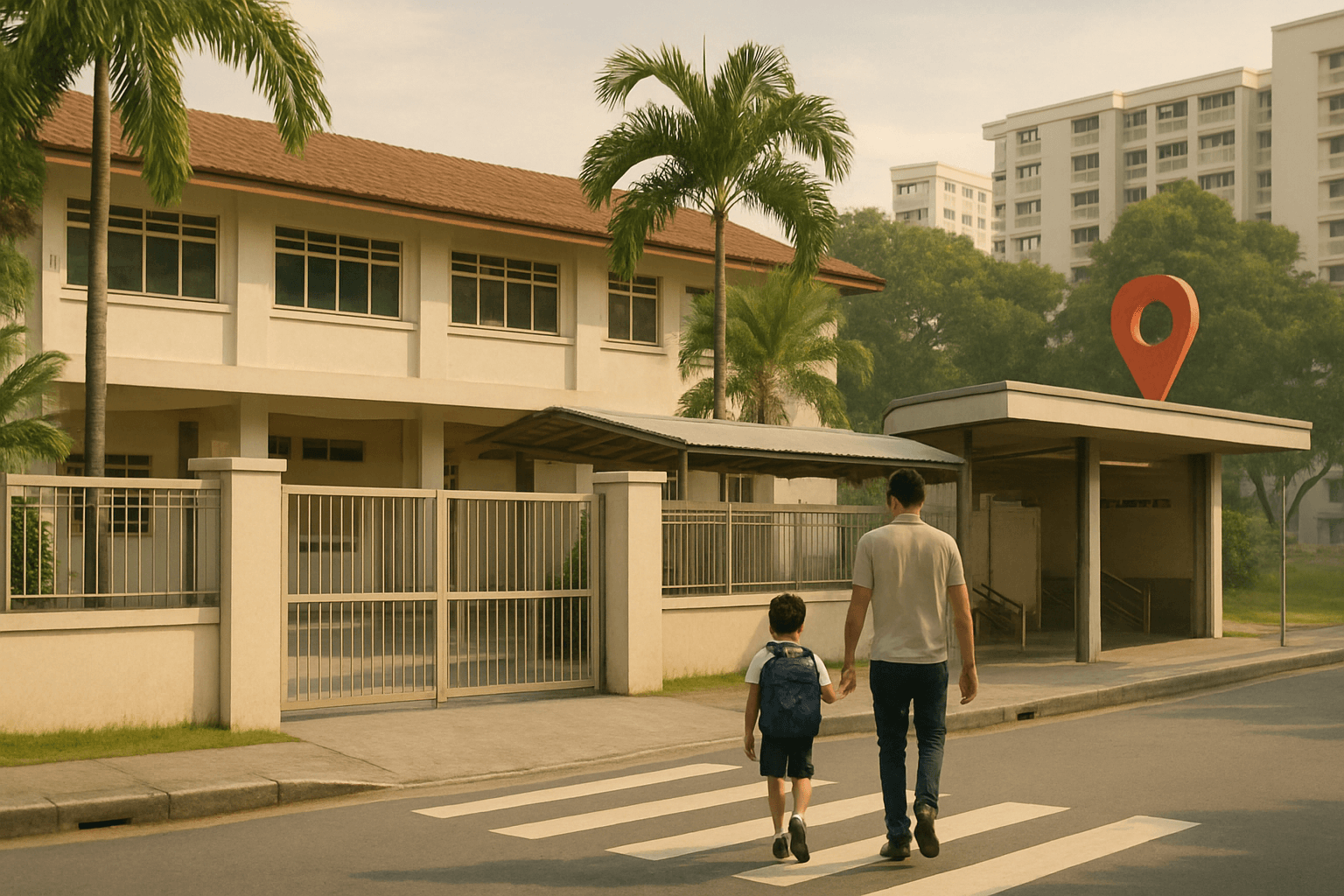
Canossa Catholic Primary School is a Catholic, government-aided, co-educational primary school in Singapore’s East. For most parents, the real shortlist questions are simple: Is the commute manageable, are you comfortable with the school’s Catholic environment, and does the mother tongue offering fit your child? This guide gives you those basics first. If you are comparing several options, see our Primary Schools in Singapore guide.
What is Canossa Catholic Primary School in Singapore?
Canossa Catholic Primary School is a Catholic, government-aided, co-educational primary school in Singapore. Parents usually shortlist it based on everyday fit such as commute, school culture, and mother tongue options.
Canossa Catholic Primary School is a Catholic, government-aided, co-educational primary school in Singapore. In plain parent terms, that means it is part of Singapore’s mainstream primary school system, but with a school culture shaped by a Catholic identity rather than a purely secular school tradition. The school’s official website and MOE SchoolFinder profile are the best places to confirm the current school profile. The useful way to think about this school is not as a special-label school first, but as a fit question: does the culture, language offering, and location work for your child and your family? For a broader overview, see Primary Schools in Singapore: A Practical Parent Guide.
Where is Canossa Catholic Primary School located, and how easy is it to get there?
Canossa Catholic Primary School is listed at 1 Sallim Road in the Geylang area. It appears reasonably accessible by public transport, but parents should test the exact morning route instead of relying on map estimates alone.
The school is listed at 1 Sallim Road, Singapore 387621, and its contact page is the most useful place to verify the current address before you plan a visit. Third-party listings commonly place it near Mattar MRT and suggest a short walk, but parents should treat travel time as approximate until they test the route themselves. That matters more than it sounds. A route that looks easy on a map can feel very different at 6.45am with a young child, a school bag, and wet weather. If your child would need only one direct train ride or a short car trip, the school may be practical. If the journey involves a train, a transfer, and then a bus, that routine may become tiring quite quickly even if the school itself looks like a good fit. For a broader overview, see Anglo-chinese School (primary) in Singapore: A Parent Guide.
Have More Questions?
Get personalized guidance on schools, tuition, enrichment and education pathways with AskVaiser.
Try AskVaiser for Free →What kind of school is it: government-aided, co-ed, and single-session?
It is a government-aided, co-educational, single-session primary school. For parents, that mainly means a mainstream school structure with a more predictable daily rhythm than a split-session setup.
These labels matter because they affect daily routine more than branding. Government-aided means the school is within Singapore’s mainstream system, though it is not fully government-run. If you want a simple explanation of that label, this government-aided school explainer is a helpful reference. Co-educational means boys and girls study together. Single-session usually means one main school day rather than a split morning and afternoon arrangement, which many families find easier for pickup planning, student care, and after-school activities. The practical takeaway is straightforward: these are not prestige labels to chase. They are routine labels to understand. Parents who work regular office hours, rely on grandparents for pickup, or need predictable enrichment timing often find single-session schools easier to plan around, but exact reporting and dismissal timings should still be confirmed with the school. For a broader overview, see Alexandra Primary School in Singapore: A Parent Guide.
What mother tongue languages does Canossa Catholic Primary School offer?
The school offers Chinese, Malay, and Tamil. Parents should check this early because mother tongue fit is often a non-negotiable part of the shortlist.
Canossa Catholic Primary School offers Chinese, Malay, and Tamil, according to the school’s Mother Tongue page. This is one of the quickest shortlist filters for parents because if the language offering does not match your child’s track, the rest of the school profile matters much less. The next step is not just to note that the language exists, but to ask whether the setup fits your child well. For example, a child already comfortable in Chinese may need a different kind of support from a child who is struggling and needs more confidence-building. Parents often overlook this and only check the language name. A better question is: will this school be a workable language environment for my child over six years, not just on day one?
Does Canossa Catholic Primary School have SAP, autonomous, or gifted school status?
No SAP, autonomous, or gifted status is indicated in the available information. Parents should not assume special admission routes or specialist academic tracks unless the school or MOE confirms them.
No SAP, autonomous, or gifted school status is indicated in the information provided. The sensible working assumption is that parents should view Canossa Catholic Primary School as a mainstream primary school unless the school or MOE states otherwise. This is worth saying plainly because many parents over-read a school’s reputation or faith identity and assume there must be a special academic track attached. If special status matters to your shortlist, compare the official MOE school profiles directly rather than relying on impressions.
What should parents know about the school’s contact details and official website?
Use the school’s official website, contact page, and MOE SchoolFinder profile to verify current details. If a detail affects your daily routine, confirm it directly instead of relying on summaries.
Use official channels when a detail could affect a real decision. The school’s official website, contact page, and MOE SchoolFinder profile are the best places to verify the latest information on address, enquiries, and school updates. Parents usually use these channels for practical checks, not just formal admissions questions. For example, you might want to confirm whether a visit is possible, whether a route you are planning makes sense, or where to look for open house announcements. If you are planning a visit during open house season, MOE’s parent-facing platform Schoolbag is also a useful place to understand how schools typically share open house information.
How should families decide whether Canossa Catholic Primary School is a good fit?
The key fit questions are commute, comfort with a Catholic environment, mother tongue match, and whether the daily timetable works for your family. Those factors usually matter more than name recognition.
Start with the four checks that matter most in real life: commute, Catholic school culture, mother tongue fit, and after-school routine. A child who can reach school with one direct journey may cope well even if the school is not the closest option. A child who needs several transport legs every morning may find the same school much harder to sustain. The same logic applies to school culture. A Catholic identity is not just a line in a brochure; it can shape assemblies, celebrations, and the overall tone of school life. Mother tongue fit should also be checked early, especially if your child needs stronger support or is already on a more confident track. Finally, think about what happens after dismissal. If you need student care, enrichment, or a reliable pickup window, single-session can make planning easier. The simple insight is this: choose the school that fits your ordinary Tuesday, not just the one that sounds good on paper. If you are still building a shortlist, our Primary Schools in Singapore guide can help you compare schools more systematically.
What do parents often overlook before choosing this school?
Parents often overlook the real daily routine: transport, pickup, rainy-day logistics, and whether the school culture will feel comfortable over time. Those details are usually clearer after a practical visit or enquiry than from a school profile alone.
The biggest miss is treating the school profile as the decision, instead of treating it as the starting point. Parents often check the name, school type, and location once, then stop. What they forget to test is the lived routine: how long the trip really takes in the morning, who handles pickup, whether the route still works in heavy rain, and whether the school culture feels comfortable beyond a first impression. Another common oversight is mother tongue planning. It is easy to think a listed language offering settles the issue, but families should also ask whether the child is likely to feel secure, stretched, or stressed in that subject. If you visit or call the school, do not spend the whole conversation on general reputation. Ask the questions that will still matter in week five: What does the day feel like? How manageable is dismissal? What would this school require from our family every weekday?
Can non-Catholic families still consider Canossa Catholic Primary School?
Yes. Non-Catholic families can still consider the school, but they should make sure they are comfortable with the Catholic environment in daily school life, not just in principle.
Yes, non-Catholic families may still find the school worth considering, but the important question is not only eligibility. It is comfort. A Catholic school environment can still suit families who are not Catholic if they are comfortable with the values, celebrations, and overall tone of school life. This is where a direct conversation helps. Ask how faith-related activities appear in the normal school routine, whether there are expectations that would matter to your child, and how the school explains its culture to families from different backgrounds. If the answers feel clear and comfortable, the school can still be a sensible option. If you already feel unsure about the day-to-day environment, it is better to treat that as a real fit issue rather than something that will sort itself out later.
Have More Questions?
Get personalized guidance on schools, tuition, enrichment and education pathways with AskVaiser.
Try AskVaiser for Free →