
Blog
Clear, practical answers for Singapore parents — from preschool to post-secondary.
Primary
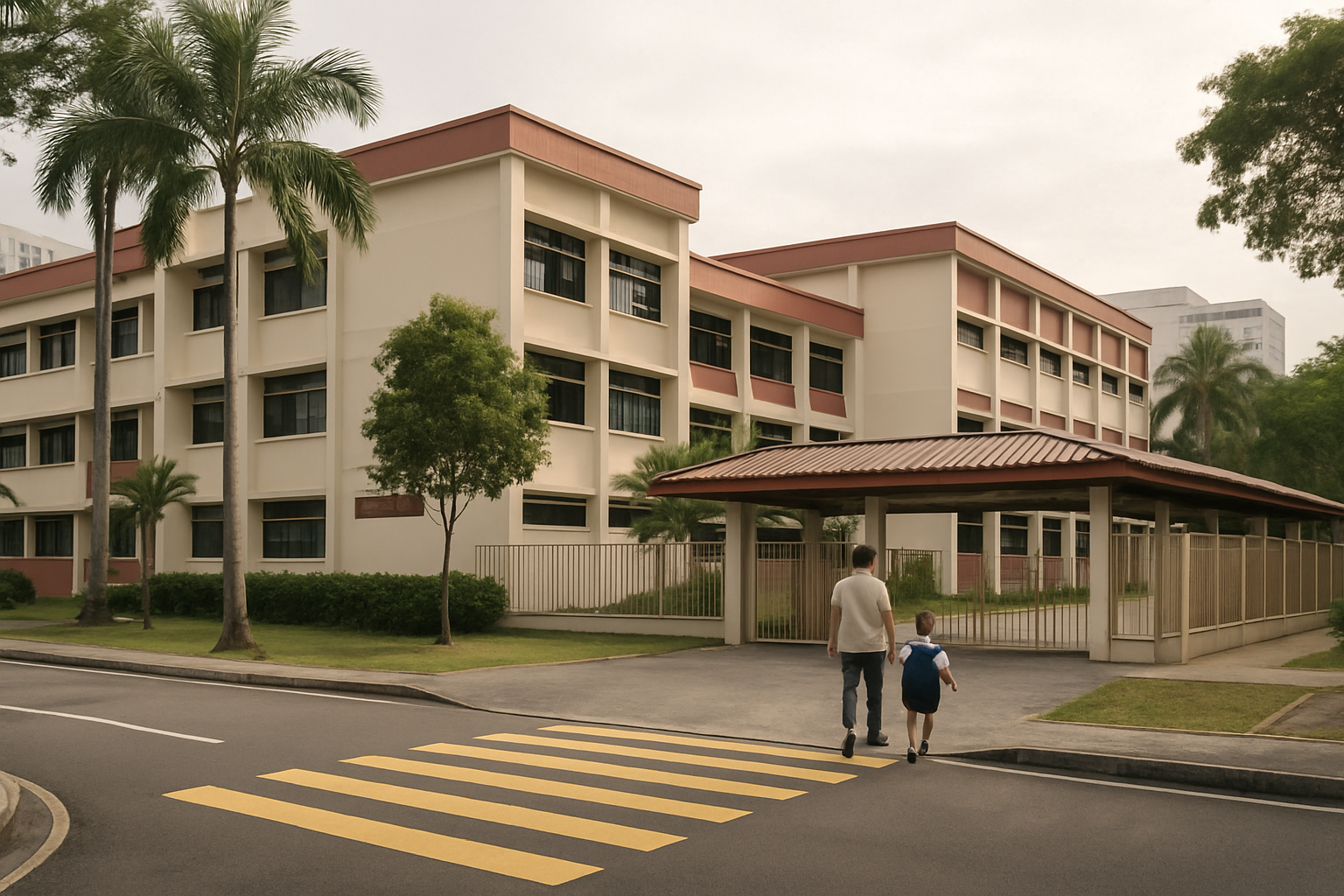
Zhonghua Primary School Singapore: A Practical Parent Guide
Thinking about Zhonghua Primary School? This practical guide covers its reported school type, Serangoon location, nearby transport options, mother tongue offerings, and what parents should verify before shortlisting.
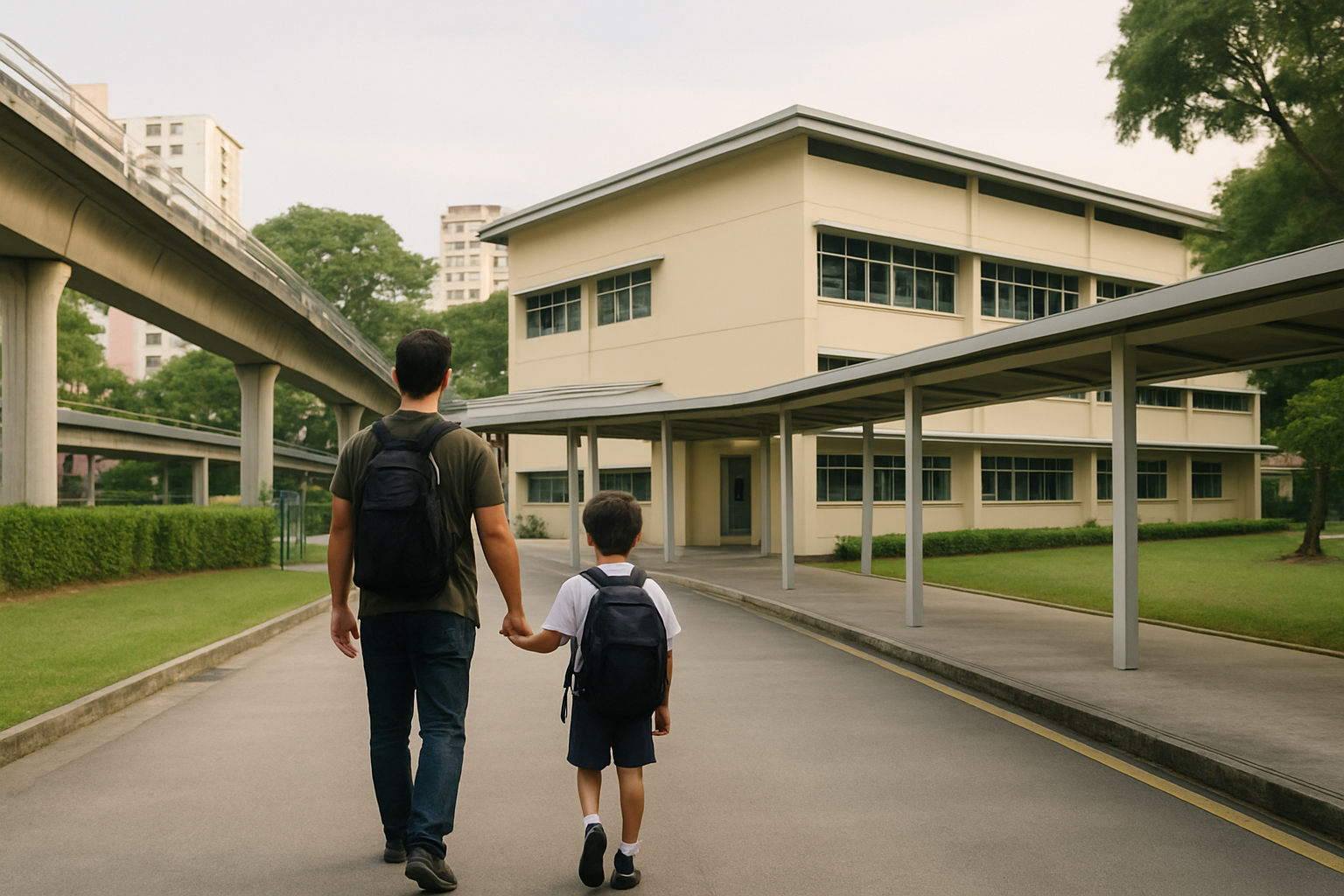
Zhenghua Primary School Singapore: A Practical Parent Guide
Considering Zhenghua Primary School in Singapore? This parent guide covers the basics first: school type, address, transport, Mother Tongue options, session, and the practical checks that matter before you decide.
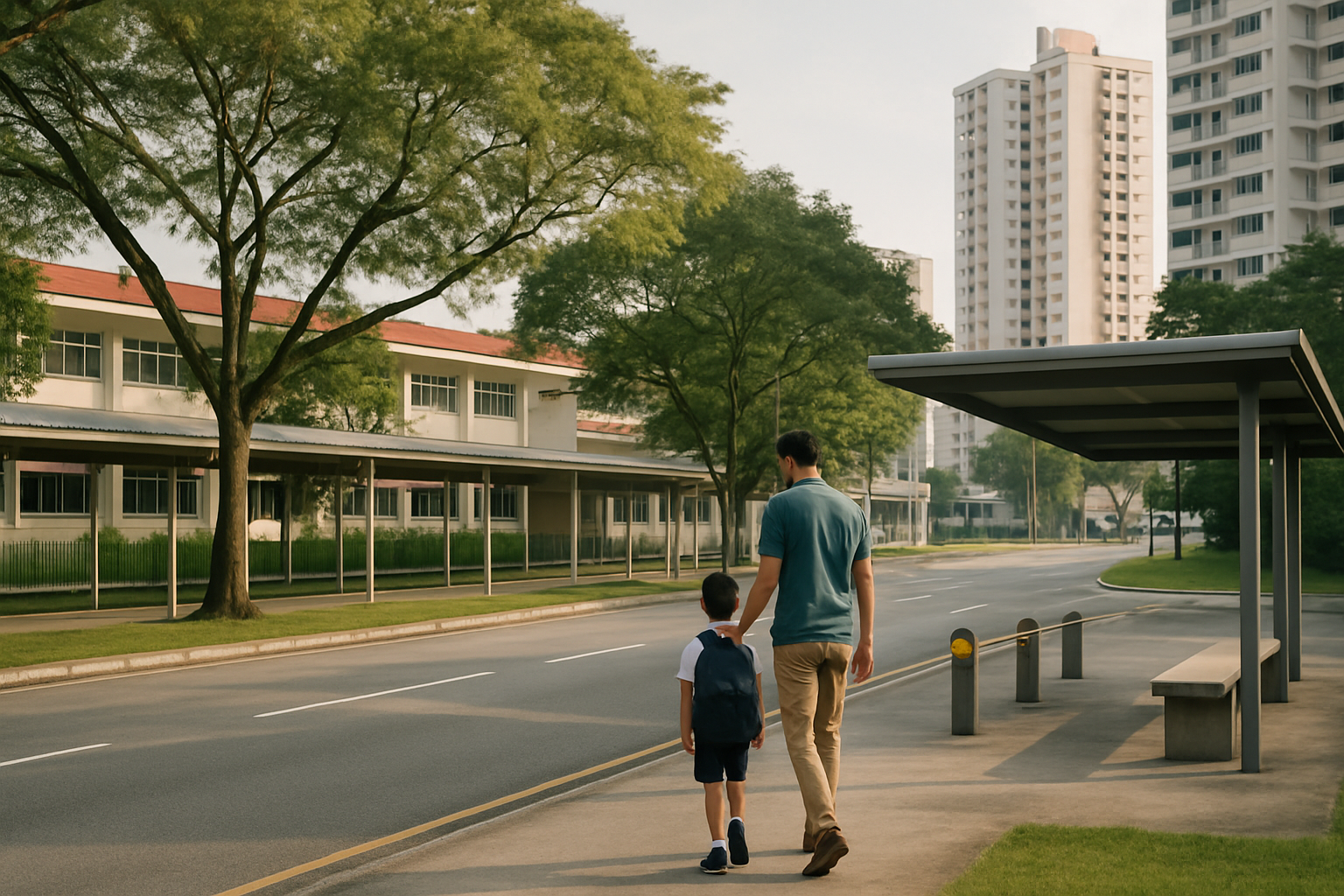
Zhangde Primary School in Singapore: A Practical Parent Guide
Looking at Zhangde Primary School in Singapore? This practical guide covers its Bukit Merah location, government co-ed profile, transport access, mother tongue options, and what parents should confirm before deciding if it fits their child.

Yumin Primary School in Singapore: A Practical Parent Guide
Yumin Primary School is a government, co-educational, single-session primary school in Tampines. This guide covers the facts parents usually want first: location, transport, mother tongue offerings, school type, and what to verify before deciding.
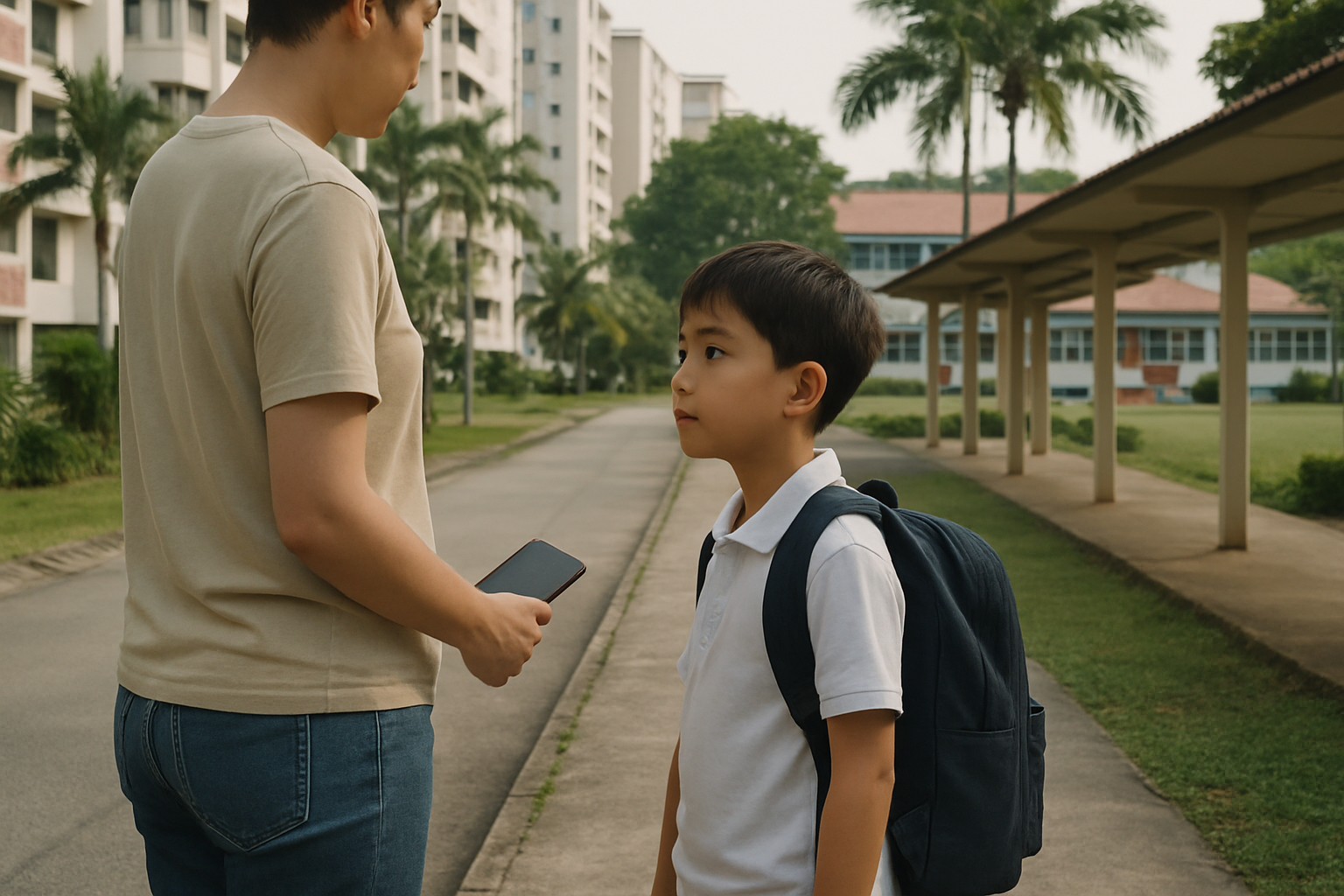
Yuhua Primary School in Singapore: A Practical Parent Guide
Yuhua Primary School is a government, co-educational, single-session primary school in Jurong East. This guide covers the facts parents usually need first: where it is, what languages it offers, and how to judge whether the school is a practical fit for daily family life.
Yu Neng Primary School in Singapore: A Practical Parent Guide
Considering Yu Neng Primary School? This parent guide covers its Bedok location, transport options, mother tongue offerings, programmes, and what to check before shortlisting.
Secondary
How to Compare Secondary Schools After PSLE in Singapore
After PSLE, do not compare secondary schools by cut-off points alone. This guide shows Singapore parents how to weigh commute, school culture, student support, subjects, CCAs and later pathways so they can choose a school that fits daily life as well as future options.

FSBB Subject Not Offered? What Singapore Parents Should Do Next
If your child’s secondary school does not offer a preferred FSBB subject, start by checking the school’s actual subject menu and asking what realistic alternatives exist. In most cases, this is a school-offering issue rather than a dead end, and transfer should only be considered if that subject is genuinely important to your child’s strengths or future plans.

Can a Child With a Lower PSLE Score Still Take a Higher-Level Subject?
Yes. Under Full Subject-Based Banding, a child with a lower overall PSLE score may still be placed in a higher-level subject if that subject strength is clear, the child can cope, and the school offers that level.
Do Different Secondary Schools Offer Different FSBB Subject Combinations?
Yes. Full Subject-Based Banding does not give every Singapore secondary school the same subject combinations. What a school can offer still depends on staffing, timetable limits, cohort size, and student demand.

How Do I Know If My Child Is in the Wrong Subject Level? Singapore Parent Guide
If your child is repeatedly confused, stressed, bored, or coasting in one secondary school subject, the issue may be a subject-level mismatch rather than a one-off bad result. This guide helps Singapore parents spot the signs, tell the difference between a temporary slump and a real fit problem, and ask the school the right questions before making a change.

How to Choose G1, G2 or G3 Subjects for JC Pathways
If JC is a possible goal, choose the subject level your child can sustain and score well in, not the one that sounds strongest. G3 suits students with steady foundations, G2 is often the best middle ground, and G1 can be the better choice when it protects grades, confidence and key options.